
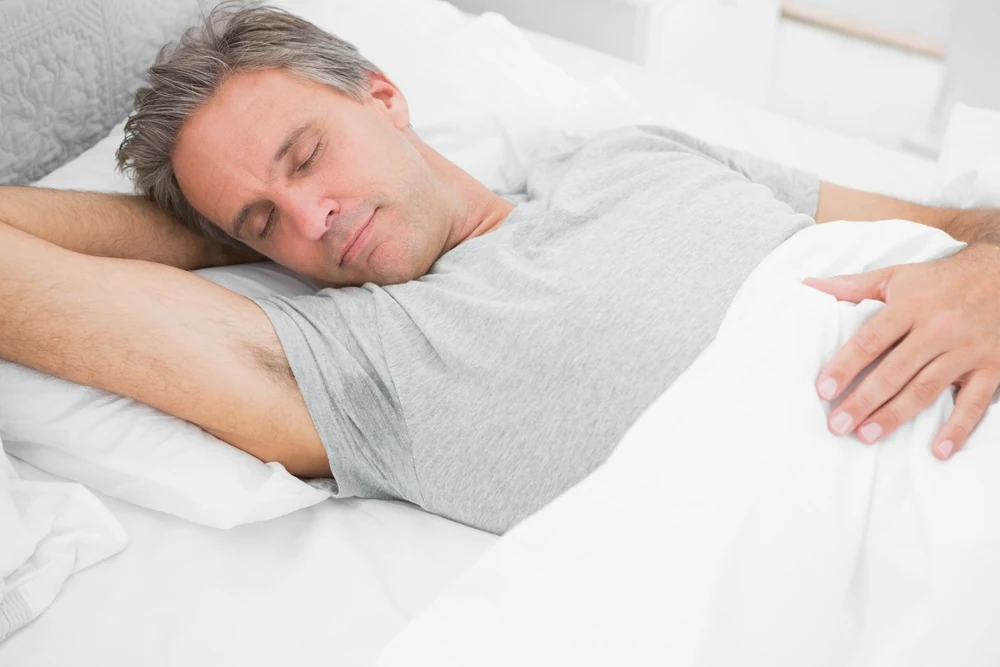
Breathing and sleep
Understanding the dental factors that may affect your airway
Breathing affects sleep quality, daytime energy, and overall health. Airway-focused dentistry looks at how the teeth, jaws, tongue, and related structures may contribute to breathing problems during sleep.
At Shapiro Dental Group, we evaluate these dental factors and work with your physician or sleep specialist when testing or medical treatment is needed. A dentist can identify risk factors and discuss dental treatment options, but a physician or qualified sleep specialist makes the diagnosis of sleep apnea.
01
What is obstructive sleep apnea?
Obstructive sleep apnea happens when the airway repeatedly narrows or closes during sleep, causing pauses in breathing and drops in oxygen. Common signs include loud snoring, gasping or choking during sleep, morning headaches, dry mouth, difficulty concentrating, and daytime sleepiness.
Not everyone who snores has sleep apnea, and symptoms alone cannot confirm the condition. A sleep study and medical evaluation are used for diagnosis.
02
What happens at the dental evaluation?
We review your symptoms and health history, then examine your mouth, jaw, teeth, gums, and bite. If you already have a sleep study, bring the report and your physician’s recommendations. If sleep apnea is suspected but not yet diagnosed, we will recommend medical evaluation before dental treatment.
We coordinate with your treating physician or sleep specialist so any oral appliance is part of an appropriate care plan.
03
How can an oral appliance help?
A custom oral appliance gently holds the lower jaw forward during sleep to help keep the airway open. It is not the same as a nightguard. Oral appliance therapy may be recommended for some patients with mild to moderate obstructive sleep apnea, or for patients who cannot tolerate CPAP, depending on the sleep study, dental health, and physician’s recommendations.
- Examination and records. We evaluate your teeth, gums, jaw joints, bite, and available medical records.
- Custom fitting. The appliance is made for your mouth and adjusted for comfort.
- Dental follow-up. Visits monitor the appliance, bite, jaw joints, and any needed adjustments.
- Medical confirmation. Your physician or sleep specialist may recommend a repeat sleep test to confirm that treatment is working.
04
Common questions
Can a dentist diagnose sleep apnea?
A dentist can identify risk factors and symptoms, but diagnosis is made by a physician or qualified sleep specialist using a sleep study and medical evaluation.
Can I replace CPAP with an oral appliance?
Do not stop or change CPAP without speaking with your treating clinician. Whether an oral appliance is appropriate depends on your diagnosis, severity, health history, and medical recommendations.